CENTER FOR RELIGION, CULTURE & DEMOCRACY
PROFESSIONAL DEVELOPMENT
The CRCD runs a number of programs aimed at supporting and promoting the development of professionals, especially higher education faculty and local pastors. These include faculty discussion seminars, regular continuing legal education (CLE), and pastor gatherings focusing on salient cultural issues.
Faculty Seminars
The CRCD offers an invitation-only series of seminars for academics that focus on broad themes related to our mission. These seminars are intentionally designed to be interdisciplinary and ecumenical gatherings of 12–15 participants who come together to discuss great texts and figures. Many of the invitees to these seminars will be quite familiar with the content, while others will have awareness and appreciation of the readings that falls short of expertise. Our hope is that regardless of the level of prior intellectual engagement with the content of these seminars, participants will benefit from robust discussion with peers from different academic disciplines, places of service, and religious traditions. These sessions run throughout the academic year and previous topics have included the thought of Alexis de Tocqueville, Abraham Kuyper, Alexander Solzhenitsyn, Christian humanism, and religious anti-liberalism. To be considered for an invitation to one of these seminars, please fill out the interest form.

Continuing Legal Education (CLE)
In partnership with the James Wilson Institute, CRCD hosts monthly CLE webinars featuring presentations from leading legal scholars. Past topics have included natural law, religious liberty, and the state of the Supreme Court.

Christ and Culture Conversations for Pastors
CRCD’s Christ and Culture Conversations bring together pastors from across greater DFW to think seriously about how the church engages culture. Hosted once a quarter by Dr. Stephen Presley, each discussion is anchored in a relevant book on faith and culture. These ecumenical gatherings seek to build local cooperation across denominational lines.
Turnbull Memorial Lecture
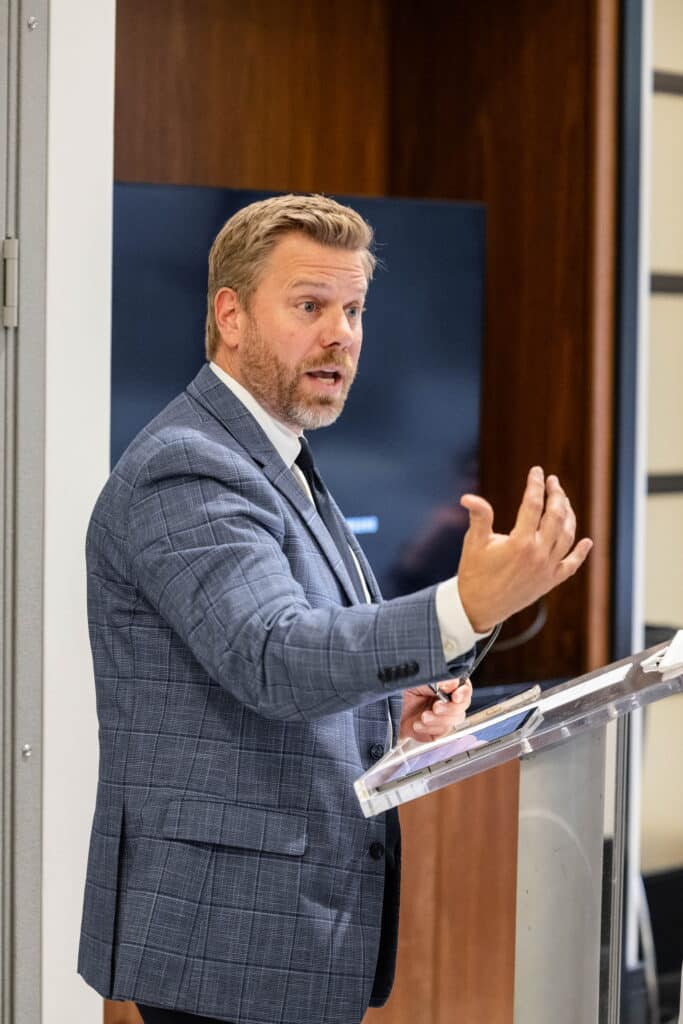
Taking place in late spring, our annual Turnbull Memorial Lecture honors the life and legacy of Rev. Dr. Richard Turnbull (1960–2025), a beloved CRCD Senior Fellow.

